Reflections from Fall Trade Shows: Frankfurt Book Fair & FIPP World Media Congress
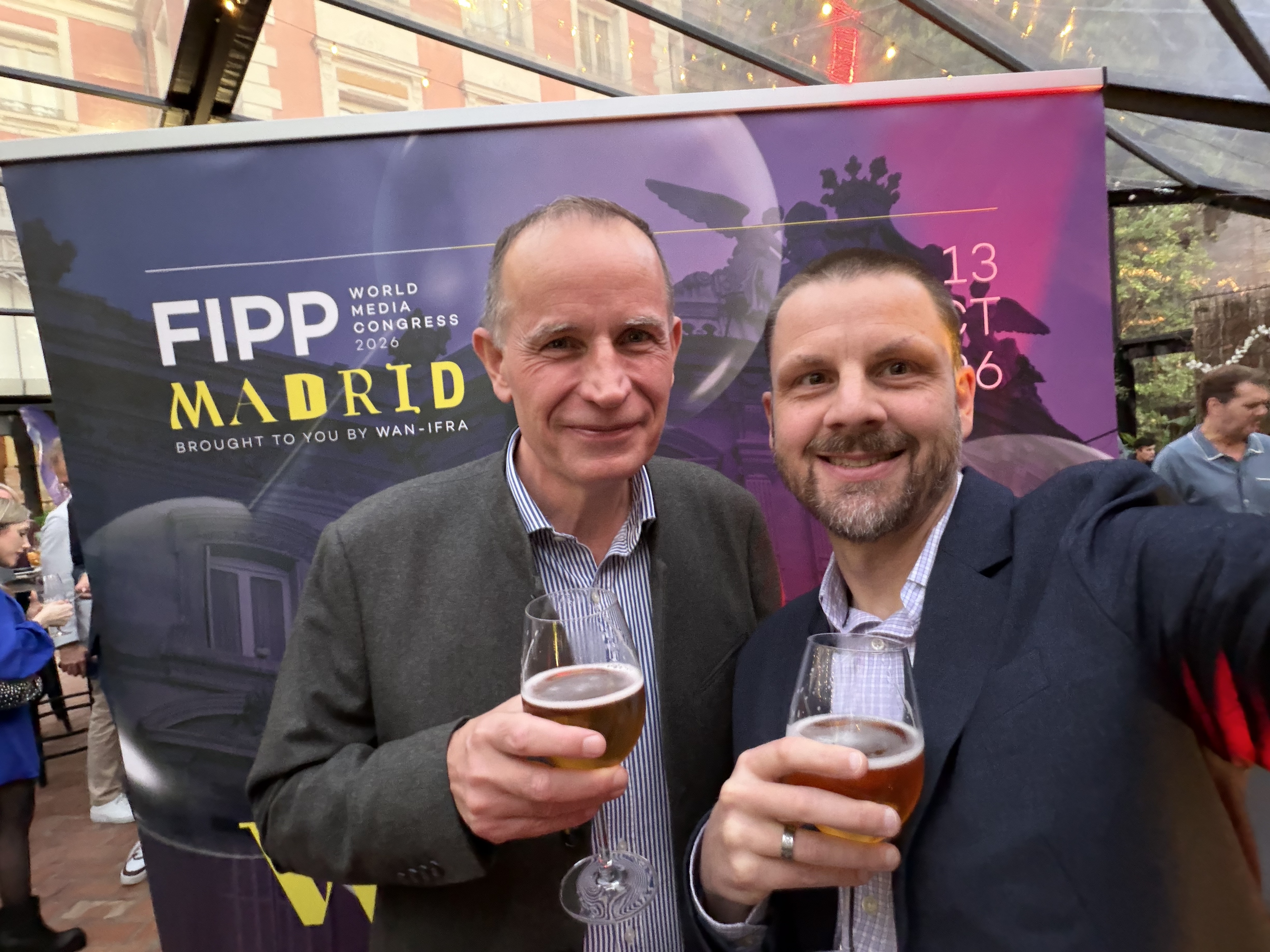
We’re back from a busy month of traveling for not one, but two major publishing events in Europe. Our Managing Director, Europe Philippe van Mastrigt and Executive Director, Product & Market Strategy John Sheehy attended Frankfurter Buchmesse (Frankfurt Book Fair) and FIPP World Media Congress in Madrid. Between conversations on the trade show floor, formal presentations, and plenty of informal discussion, the events provided both a holistic view and a deeper understanding of the current state of the industry.
Frankfurt Book Fair
As the world’s largest international book fair, the Frankfurt Book Fair offers a unique opportunity to engage with the global publishing community. Philippe van Mastrigt spent a day on the trade show floor, meeting with a wide variety of clients and partners. This year, he was able to connect with teams from Air Business, American Medical Association, Human Kinetics, and Oxford University Press, among others. These face-to-face interactions are a great way to strengthen relationships, gain industry insights, and hear firsthand about the challenges and opportunities shaping publishing. With its breadth and scale, the Frankfurt Book Fair is a powerful reminder of the value of stepping away from our screens and making time for in-person events.
FIPP World Media Congress
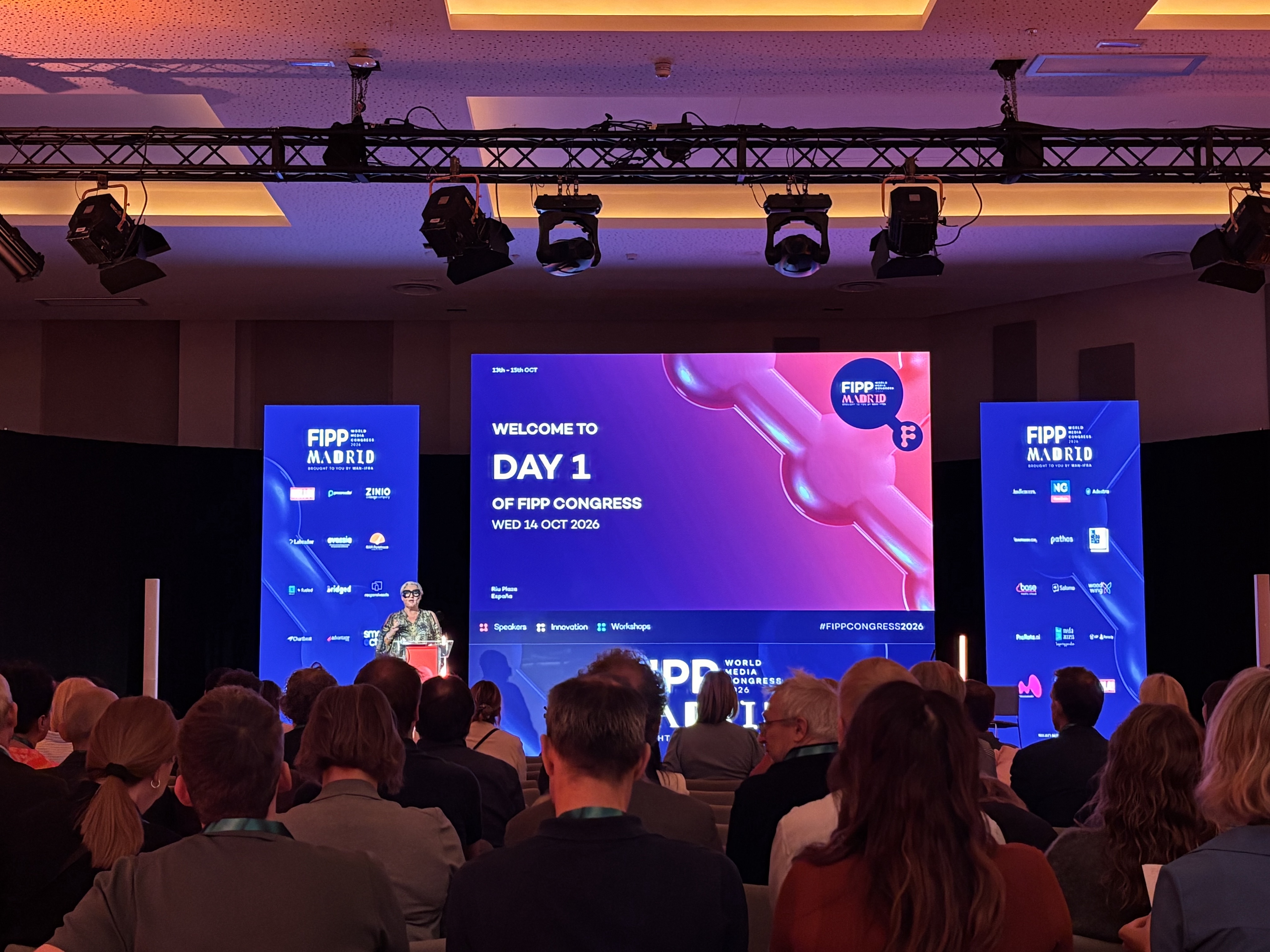
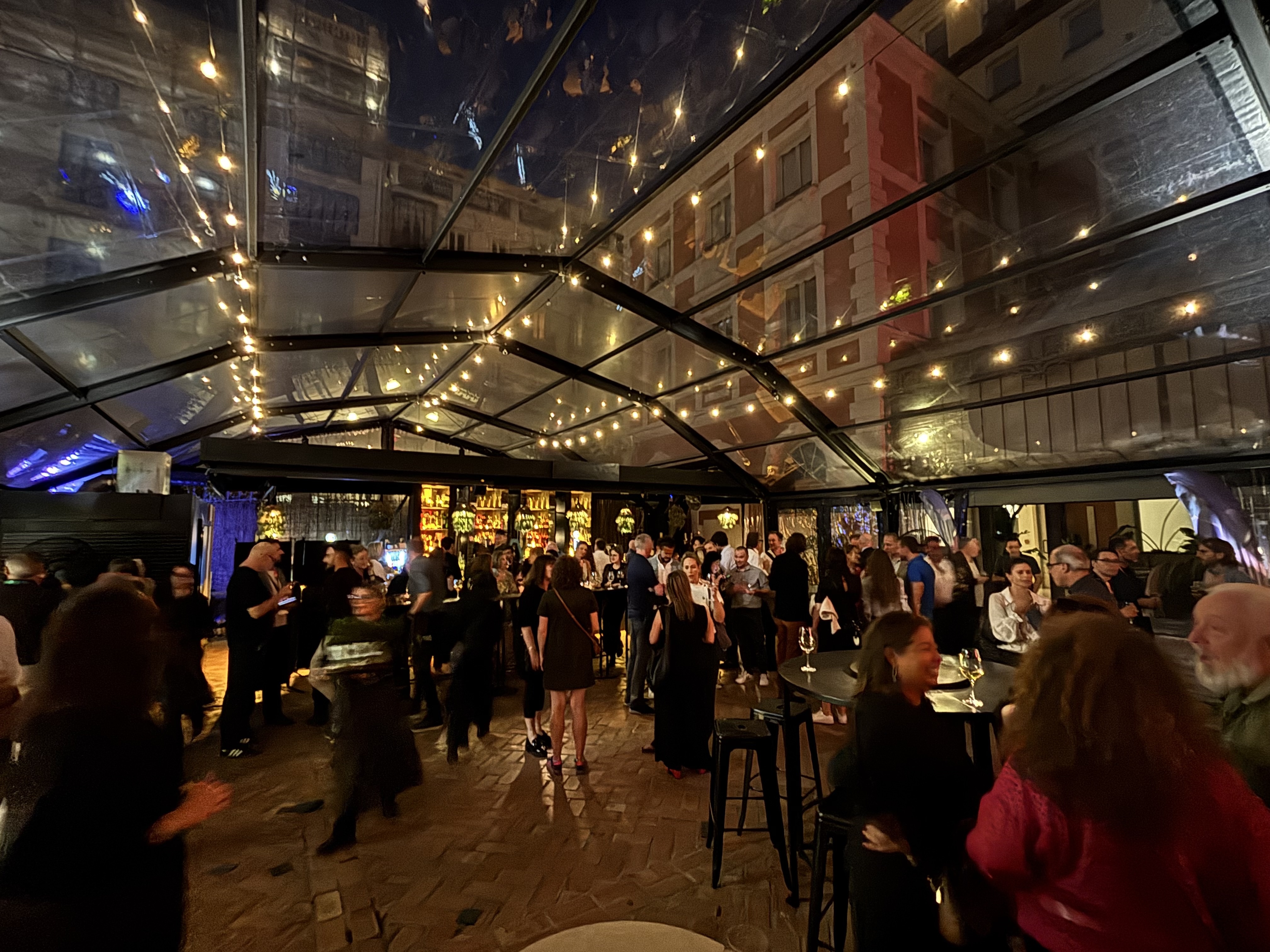
Less than one week later, 400 attendees from 40 countries from over 200 media-affiliated organizations convened for another major industry event: FIPP’s annual World Media Congress.
Madrid was a fantastic location for the conference, but what made the event especially interesting was the breadth of perspectives brought together from around the world.
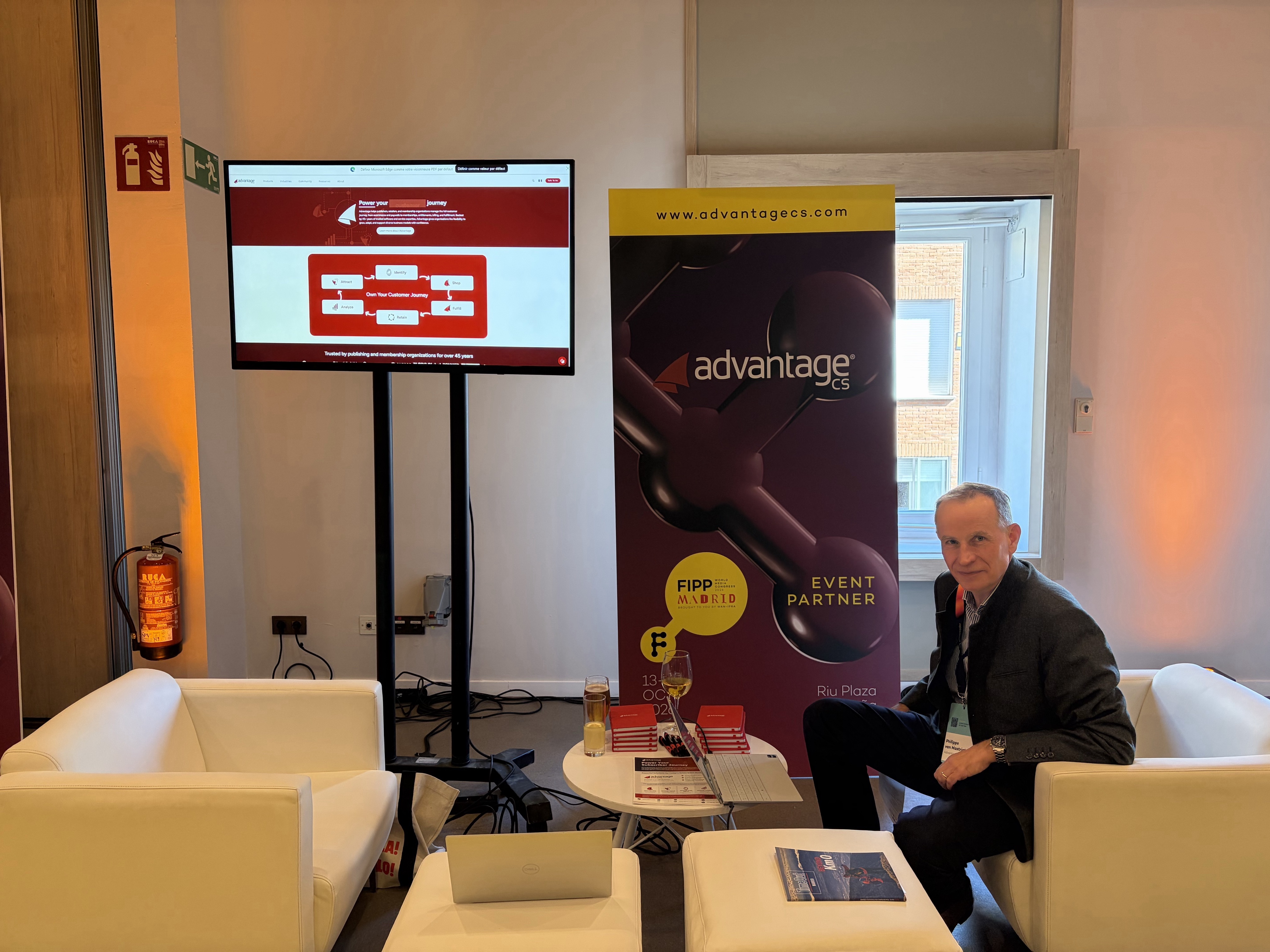
As sponsors, our team had a booth again, providing a great home base for the week. Philippe van Mastrigt and John Sheehy had enlightening conversations with media companies from around the world, caught up with clients and industry friends, and connected with other vendors serving the industry. These opportunities to connect are always a highlight of FIPP.
This year, nearly every conversation seemed to circle back to AI. That was no surprise, but it did feel as though the industry is still trying to find its footing without losing sight of its mission. And many questions remain: How should publishers use AI? How do they protect their content from it? How do they make money from it? Can they make money from it? And how much do existing strategies need to change as AI disrupts the entire business model, from content creation to consumption?
With such a varied group of media companies represented, there were no simple answers. In fact, one of the sessions that stood out most offered an interesting counterpoint to the near constant discussion about technology.
Session highlights: Maybe more content is not the answer
One of our favorite sessions was a welcome departure from technology, focusing on something much more old-fashioned: paper.
Irene Smit, creative director of Flow published by Roularta Media Group, gave a presentation entitled “From Content to Companion: How Paper Wins the Fight for Attention.” Founded 18 years ago on the principle of “less, smaller, and good enough,” Flow combines mindfulness, positive psychology, and paper. Its readers describe the magazine as a companion.
Against the backdrop of our screen-filled lives, her case for paper was refreshing. Paper gives readers a chance to slow down, focus, and engage without the constant distractions of a screen.
One might argue that this is just print nostalgia, but the numbers suggest otherwise. Flow produces more than 40 products annually worldwide, distributes in over 25 countries, and is currently expanding into books, stationery, publications, and experiences. At its Amsterdam events, around 200 people pay to surrender their phones for two hours in favor of paper, scissors, and glue. That is a fascinating business model in an industry focused on digital transformation.
Her closing question was thought-provoking: AI can produce enormous amounts of content, but do people want more? She noted that abundance makes selection valuable; personalization makes surprise valuable; speed makes slowness valuable; and infinity makes an ending valuable. Competing for attention can sometimes mean giving attention back to readers.
We should continue to explore what AI lets us do faster, cheaper, and at scale. But as content becomes limitless, publishers know that attention, trust, curation, surprise, and audience connection become more important. Does that argue for novel approaches like those used by Flow? At the very least, it is a compelling example of what can happen when we approach familiar industry challenges from an entirely different angle.
All in all, October was a fantastic, energizing month. Global perspectives and insightful conversations gave us a renewed appreciation for in-person events. It was also a reminder that sometimes, the most interesting response to new technology is not necessarily more technology.